
My Take on Commercial & Print Modeling: Exploring the Exciting World of Fashion and Advertising
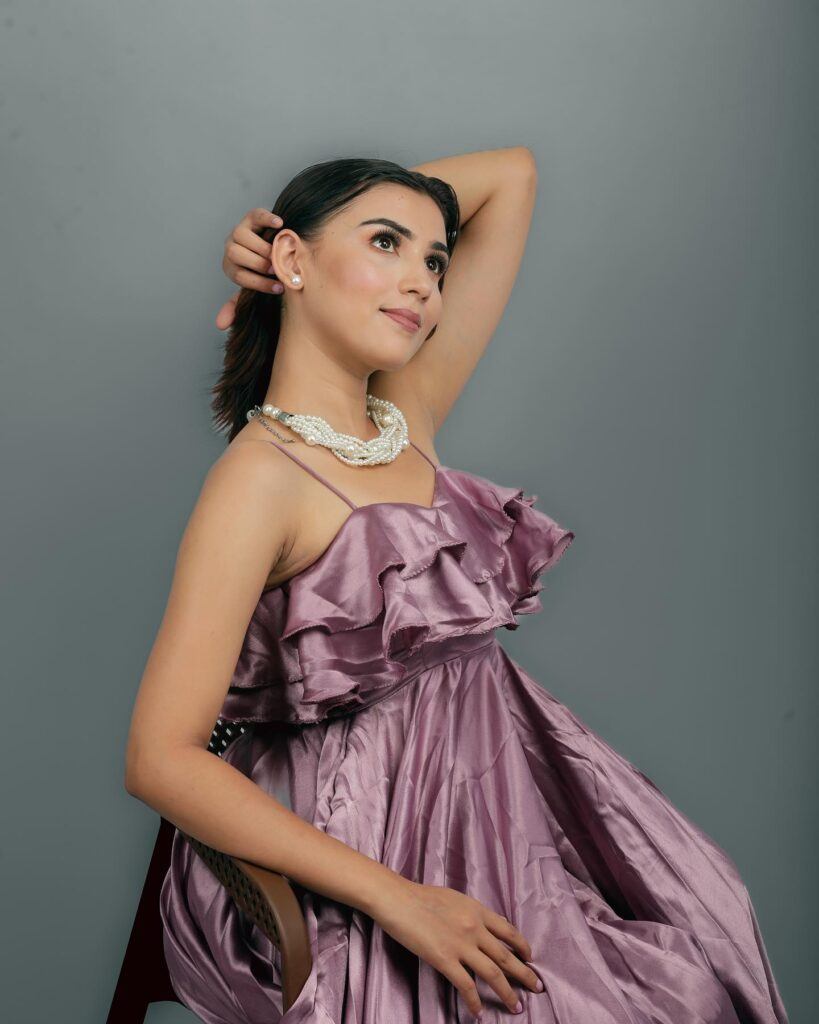
My Take on Commercial & Print Modeling: Exploring the Exciting World of Fashion and Advertising If you’re anything like me, the glitz and glam of the fashion world have probably caught your eye. There’s something magical about how a single image can convey a mood, sell a product, or tell a story. Commercial and print modeling are two avenues where aspiring models can find incredible opportunities. Let’s dive into what these fields are all about and why they’re great pathways into the modeling world. What is Commercial Modeling? Commercial modeling is all about representing brands in a way that resonates with a wide audience. Unlike runway modeling, which focuses on high fashion, commercial models are seen in everyday products and lifestyle brands—from food and healthcare products to tech and travel ads. You’ve probably seen commercial models on billboards, in magazines, or on social media. Their images are everywhere because they’re accessible, relatable, and effective at selling a story that audiences can connect with. Characteristics of a Successful Commercial Model Unlike high fashion, commercial modeling values diversity and relatability. Agencies look for people who can embody “real-life” situations and bring authenticity to the role. Here are a few traits successful commercial models often have: What is Print Modeling? Print modeling is similar to commercial modeling but slightly more specialized. Print models appear in catalogs, magazines, advertisements, and more, serving to sell products through photography. In print modeling, the focus is often more on creating a visually appealing image than on acting a part. You may find print models in high fashion editorial spreads as well as in casual catalog shoots. Skills That Shine in Print Modeling Being photogenic is essential, but there’s more to it! Here are some key skills for success in print modeling: Commercial vs. Print Modeling: What’s the Difference? While both commercial and print modeling involve photography and storytelling, there are some key differences. Commercial modeling is more about selling a brand story through lifestyle or situational photos, whereas print modeling focuses more on selling a product directly through images. Commercial models may also appear in short video ads, whereas print models stick to still photography. In other words, if you’re looking for a place where you can be expressive and act, commercial modeling is a good fit. But if you love the idea of creating beautiful, eye-catching images, print modeling might be more up your alley. The Pros and Cons of Each Path Let’s break down some of the main benefits and challenges of each path to help you decide where you’d like to start. Pros of Commercial Modeling Cons of Commercial Modeling Pros of Print Modeling Cons of Print Modeling How to Get Started Whether you’re leaning toward commercial or print modeling, starting out requires building a strong foundation. Here’s a roadmap: Wrapping Up: Finding Your Niche Both commercial and print modeling offer exciting pathways into the modeling world. If you’re just starting, exploring both can help you discover where you feel most comfortable and where your unique talents shine. Remember, the best models are those who are passionate, adaptable, and always open to learning and growing. In the end, the choice between commercial and print modeling comes down to your personal goals and style. Whichever path you choose, embrace it with confidence and have fun!
10 Things I Learned While Walking The Runway
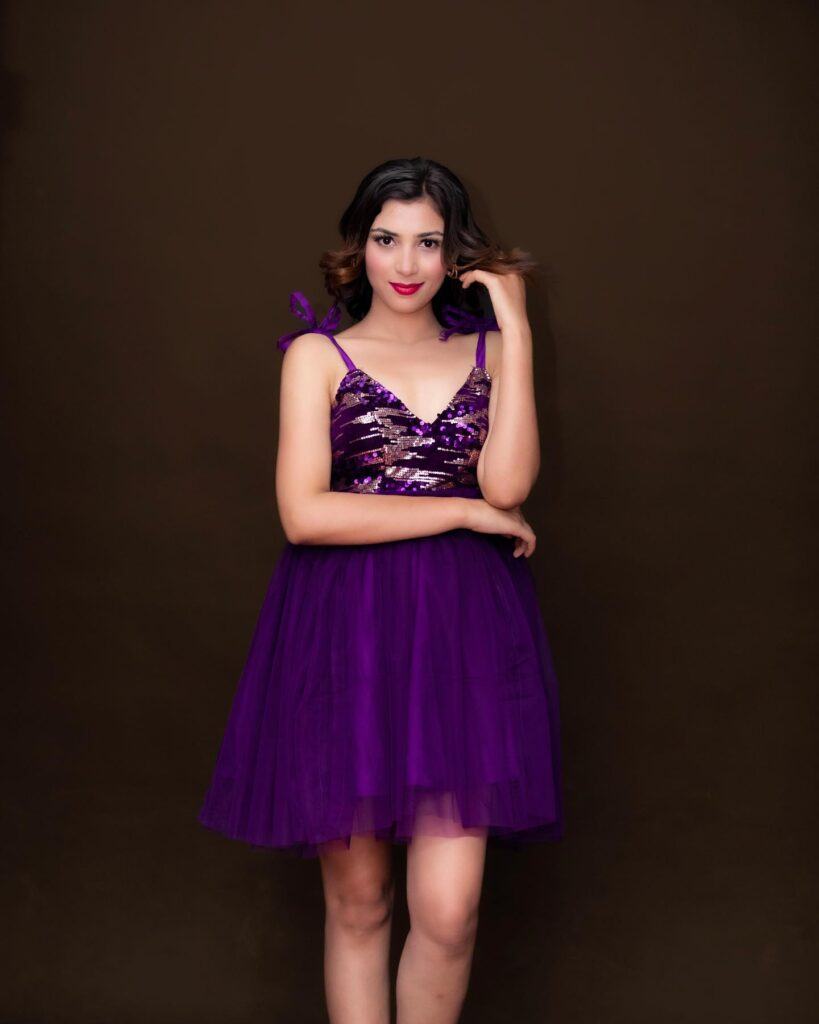
Here’s a structured outline to create a 2000-word article on “10 Things I Learned While Walking the Runway,” emphasizing the insights and lessons gained through experience. This article can provide inspiration, practical tips, and personal reflections for aspiring models and fashion enthusiasts. 10 Things I Learned While Walking the Runway Introduction: Walking the runway is an exhilarating experience, but it’s also a journey of discovery. From confidence and resilience to adaptability and creativity, each runway show brings unique insights. Here are ten valuable lessons I learned from my time on the catwalk, shared to inspire anyone looking to step into the world of fashion. 1. Confidence is Key Confidence is not just a desirable quality on the runway; it’s essential. The way you carry yourself reflects your self-assurance. I realized early on that even if you’re nervous, portraying confidence changes the way people perceive you. A steady walk, strong eye contact, and an assured posture all make a huge impact. 2. The Importance of Preparation Runway shows are meticulously planned, yet surprises can always happen. I learned the importance of thorough preparation – from trying on outfits multiple times to rehearsing the walk. Preparation builds familiarity with the look, and knowing the outfit inside and out helps you own it on stage. 3. Adaptability is Essential Fashion shows are dynamic; last-minute changes are the norm. Whether it’s a sudden outfit change or a new walking pattern, adaptability is crucial. There were times I had to quickly adjust to unexpected instructions or changes, which taught me to stay calm under pressure. 4. Teamwork Makes the Show Work The success of a runway show is a team effort. Stylists, makeup artists, designers, and even fellow models work together to bring a designer’s vision to life. I learned how essential it is to communicate, respect everyone’s role, and offer help when possible. 5. Small Details Matter From the tilt of your chin to the placement of your fingers, small details make a big difference in runway modeling. I learned to pay attention to every movement, as even minor adjustments can change the entire look. 6. Walk to the Beat, but Make It Yours Staying in rhythm with the music is vital, but so is adding your unique flair. I found that while keeping time with the beat, incorporating my own style gave a personal touch to the walk, helping me stand out. 7. Handling Wardrobe Malfunctions Gracefully Wardrobe malfunctions happen more often than you’d think, and learning to handle them gracefully is a skill in itself. Once, I had a strap break just before walking onstage, and I learned how to keep composure, no matter what. 8. Understanding Body Language and Expression Runway modeling is not just about the clothes; it’s also about body language. I learned that conveying the right emotion through facial expression and posture elevates the impact of a look. 9. Staying Fit and Healthy Runway modeling is physically demanding, requiring stamina and strength. Maintaining fitness is crucial, not just for appearances but to sustain energy and resilience. 10. The Show is Only the Beginning The runway is just one step in a model’s journey. After each show, there’s always something new to learn and improve upon. I learned the value of self-reflection and feedback in continuously refining my skills. Conclusion: Walking the runway is both challenging and rewarding, a true test of confidence, adaptability, and teamwork. Each experience has been a stepping stone, teaching me resilience, professionalism, and creativity. These lessons go beyond the runway and have enriched my journey, both in modeling and in life.